This is not a list of the “best” movies because honestly, who cares about “best”? And it’s not a list of my “favorites,” either. A lot of these films are difficult, unsettling, even downright excruciating to watch.
Instead, this is a list of movies that have stayed with me. Films that shaped my knowledge of the world and grappled with some of the most fundamental facts of life, especially the things we can never know or control.
These movies gaze into the unknowable, the messy, the complicated parts of life, and do so with unblinking candor and resonance that remains. They are not always easy, but they are indelible.
25. Marina Abramovic: The Artist is Present
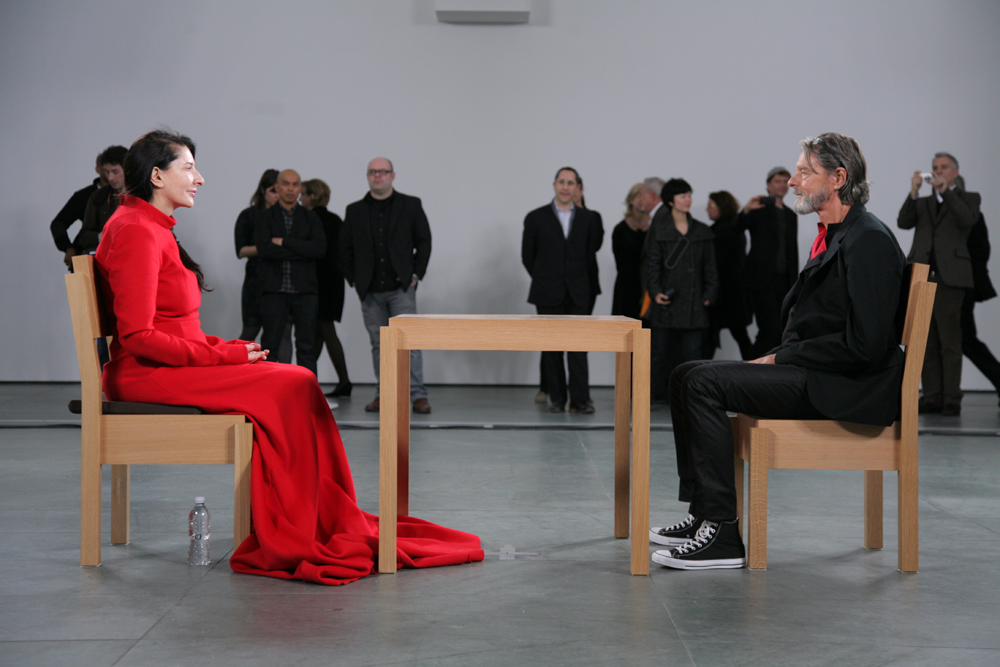
There are a number of excellent 21st-century documentaries that engage with complicated conversations around art, and as our culture continues to shift, so do those conversations. What makes this film stand out isn’t its craft or construction—both are relatively straightforward and lack a strong directorial imprint. Instead, that lack becomes a virtue. The filmmakers wisely step back, allowing Abramović and her work to shape the film’s identity.
The documentary mirrors the performance at its center, inviting the viewer to project their own emotional response onto what’s being observed. In doing so, the film becomes a quiet act of reflection—less about biography or context and more about presence, vulnerability, and how we choose to see.
24. Mommy

The pinnacle of Xavier Dolan’s career, Mommy is an emotionally volcanic film, wildly earnest, a little melodramatic, and totally unafraid to wear its heart on its sleeve.
Two formal decisions elevate it beyond a typical domestic drama. The first is a clunky but effective title card that explains a fictional law allowing parents to relinquish custody of troubled children. It’s an awkward moment, but Dolan embraces the awkwardness and folds it into the film’s emotional reality.
The second is aesthetic: the film is shot almost entirely in a tight 1:1 aspect ratio, boxing the characters into a visual confinement that echoes their lived limitations. Then, in one unforgettable, transcendent moment, the box disappears. One of the characters physically pulls the frame open with his hands, and the image expands into widescreen.
For years, I couldn’t even talk about this moment without crying. It’s earnest, maybe a little goofy but overwhelmingly powerful. And when the box inevitably closes back in, it’s quietly, crushingly devastating.
23. Your Sister’s Sister
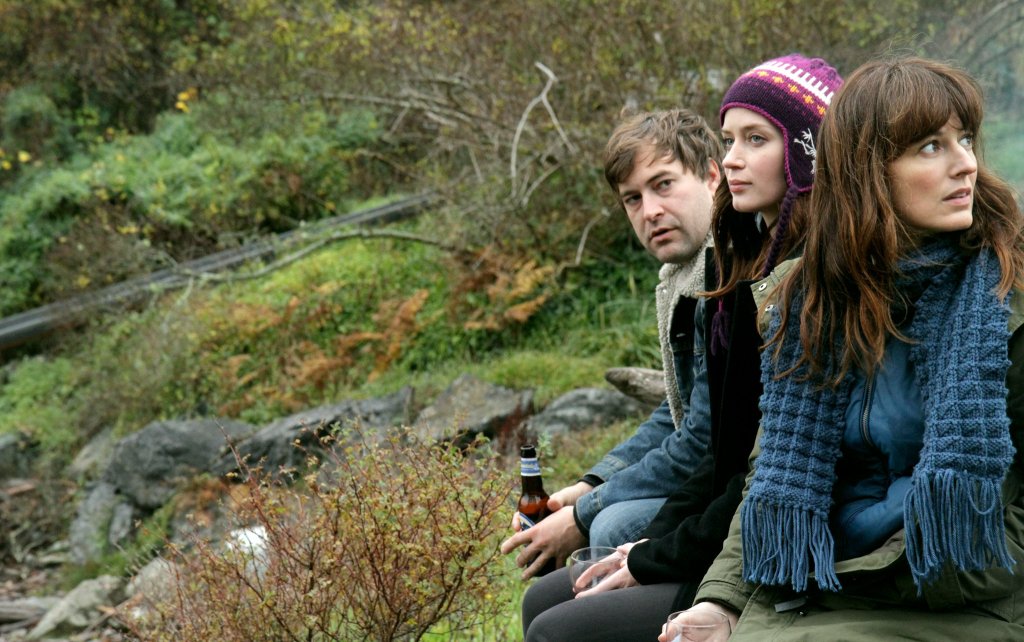
I can absolutely guarantee this is the only list where you’ll see Lynn Shelton’s 2011 indie dramedy Your Sister’s Sister. Even among mumblecore enthusiasts, this film has been largely forgotten. But for me, it’s a model for what 21st-century low-budget filmmaking can achieve.
The story is deeply unserious on the surface, centered on the tangled and exceptionally unlikely romantic dynamics between Mark Duplass, his dead brother’s ex-wife (Emily Blunt), and her older sister (Rosemarie DeWitt), yet it’s approached with total compassion and seriousness.
Shot in just 12 days, mostly in a single location, the film relies heavily on improvisation to create something that feels honest and alive. What might sound ridiculous is rendered profoundly human. I’ve always been drawn to naturalism in film more than most, and Your Sister’s Sister represents the pinnacle of a master’s career, one that ended far too soon.
22. Leviathan
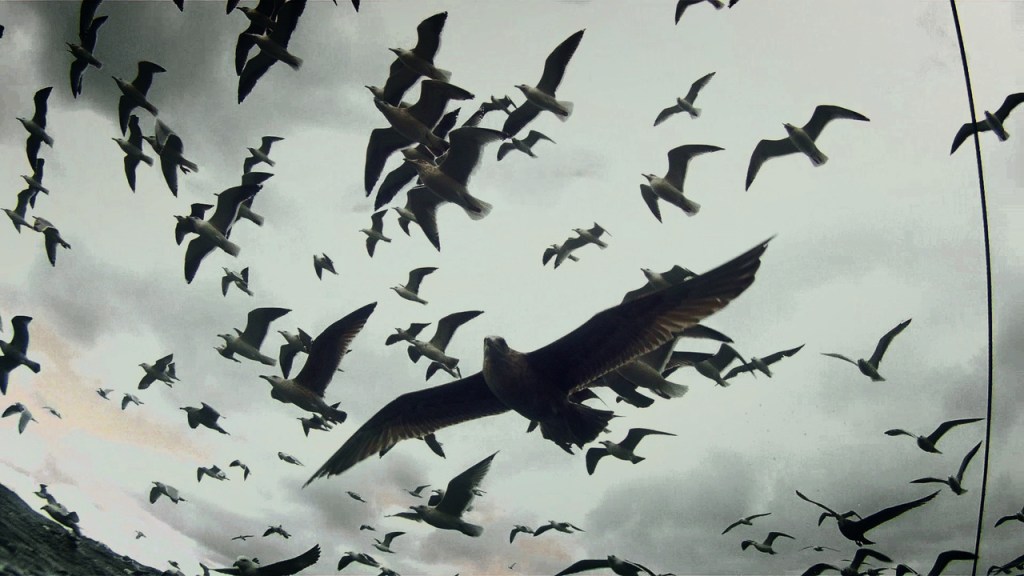
The greatest work to come out of Harvard’s sensory ethnography lab, Leviathan is a singular experience that isn’t likely to be taken up by the faint of heart but I don’t know a single person that this film hasn’t worked for despite its abrasive conceit.
The film can be cynically described as 87 minutes of go-pro footage of a boat, but the cumulative experience is transformative turning the boat into a beast. It creates an irreversible paradigm shift while being one of the most transportive films I’ve ever seen.
21. Conclave
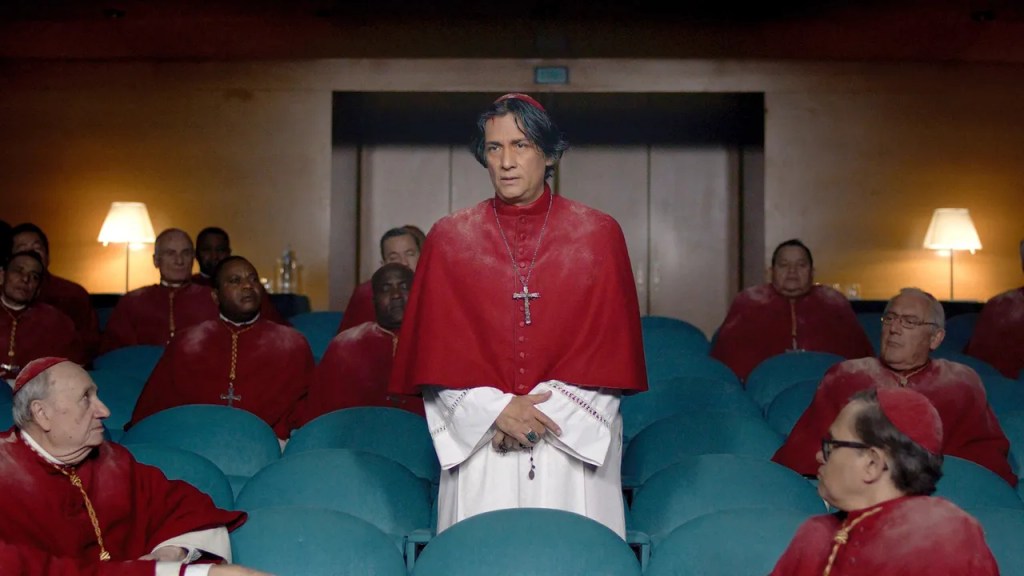
Succulent, dramatic, and ultimately exceptionally compassionate, Conclave is as entertaining as it is thoughtful. My upbringing in the church left me with a near-anaphylactic allergy to religion, but this film is the cure, not because it’s about religion, but because it explores the virtues at the very best of religious intention.
It’s a film that genuinely believes there is good in the world capable of fighting back the darkness. Also, a vaping cardinal is just fun as hell.
20. Paddington 2
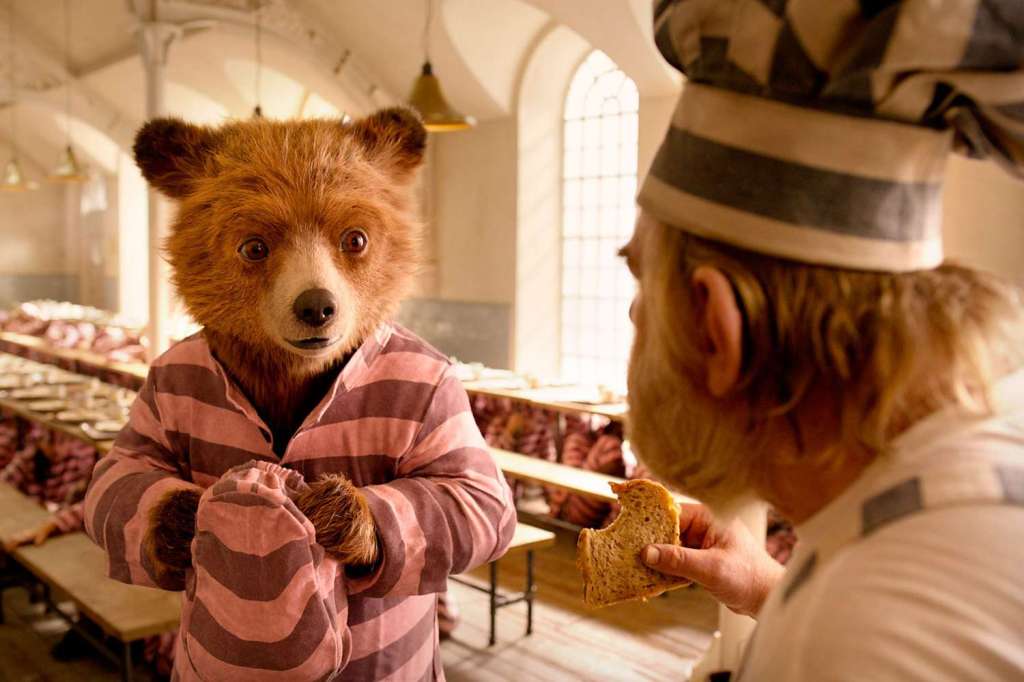
It might surprise some that Paddington 2 lands this low on the list, and maybe it deserves to be higher, but at this point, we’re pretty much dealing with stone-cold masterpieces, and there’s not a lot of room to move.
What makes Paddington 2 stand out as one of the best films of the last 25 years is, quite simply, that it’s nice. It cares. It’s compassionate and patient.
It looks for the best in people, with a heart of gold. Add Paul King’s exceptional direction, several undeniable musical and comedic beats, and some brilliantly clever nods to classic cinema, and baby, you’ve got some marmalade going.
19. No Country for Old Men
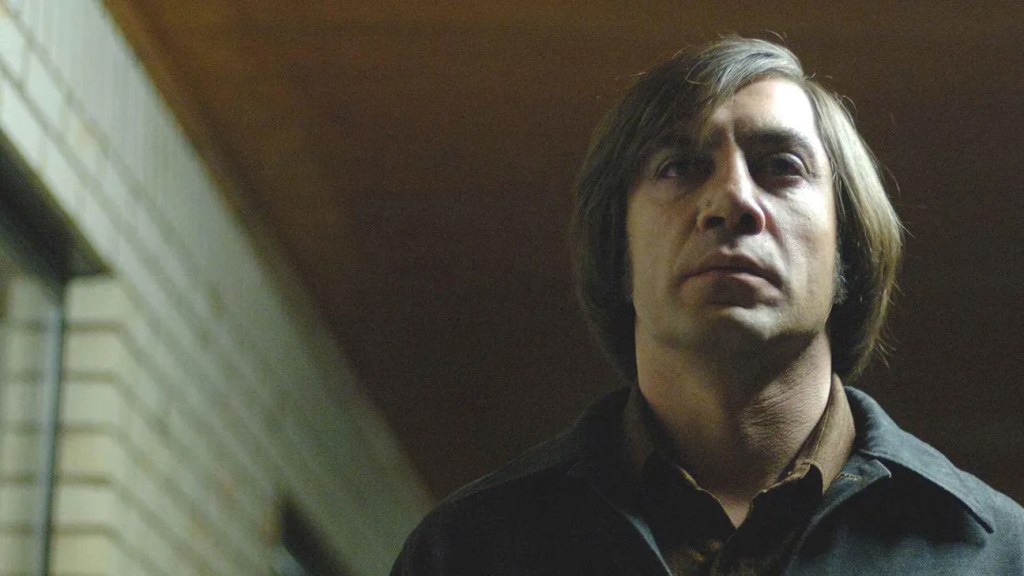
If you want to talk about an undeniable movie, this is it. The Coen brothers’ No Country for Old Men is propulsive and gripping from the very start. Javier Bardem delivers one of the most menacing and enigmatic characters ever put to screen, and the film contains just enough philosophical reflection to elevate it far above its peers.
Like Eastwood’s Unforgiven or Kurosawa’s Seven Samurai, it transcends its genre to become a deeply compelling work of art that resonates on multiple levels.
18. Paterson
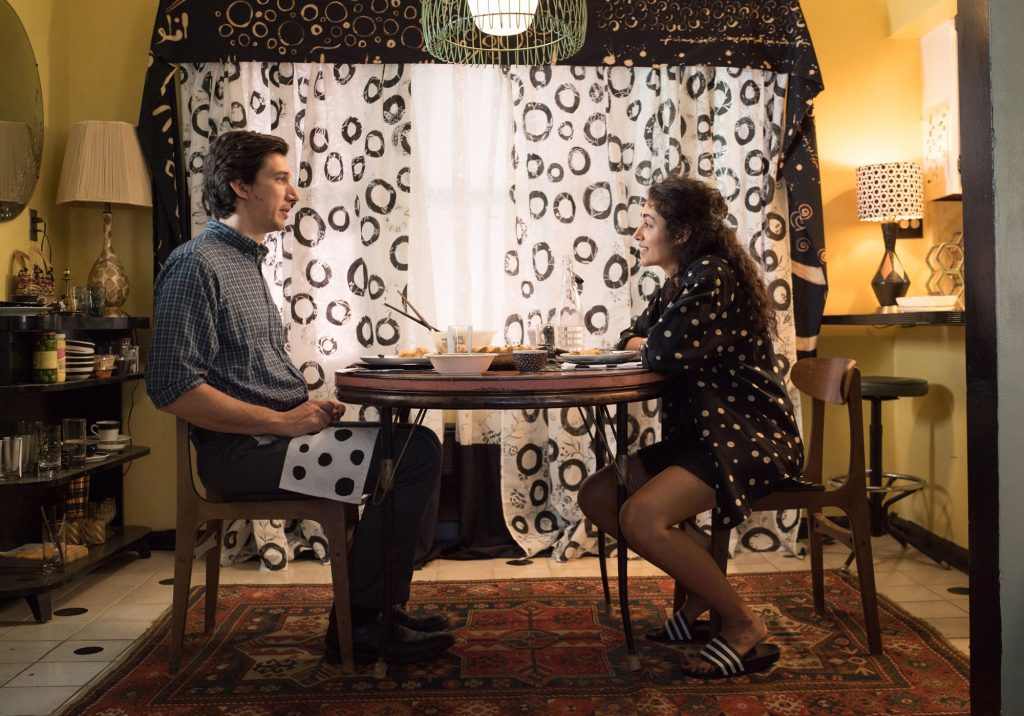
The only film on this list that inspired a permanent tattoo on my body, Paterson dares to confront, head-on, what it means to be alive.
It follows an unassuming bus driver (Adam Driver) in Paterson, NJ, who spends his days writing private poetry, sticking to a quiet routine, and sharing his life with his (admittedly twee) partner (Golshifteh Farahani).
Spoiler alert: nothing happens. Of course, that’s not true, a lot happens, but there’s no narrative propulsion, no conflict to overcome. There’s just a life being lived by someone trying to live it as best he can.
The film challenges the imperatives we’re handed from birth: that we must work, produce, promote ourselves. That success equals happiness, and that failure awaits the unfocused. Paterson disregards all of that. Just be alive. Live and see what happens.
17. Sunshine
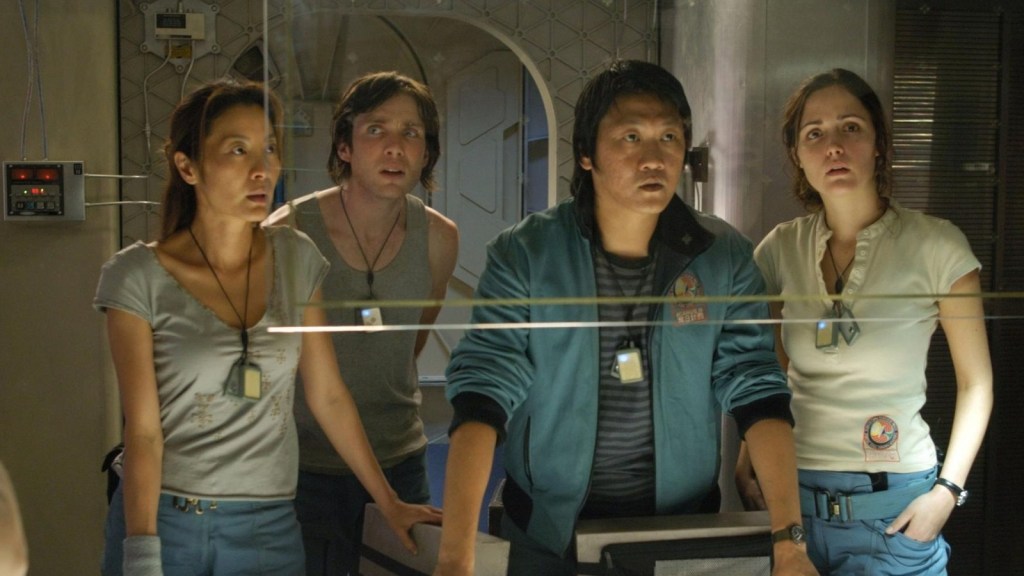
In the words of Werner Herzog: “It’s a great metaphor. For what? I don’t know… But I know it’s a great metaphor.”
Danny Boyle’s sci-fi epic places itself in a lineage of high-minded science fiction alongside greats like Andrei Tarkovsky and Stanley Kubrick.
The sun is dying. We’ve already sent one mission to resurrect it, which has failed. Now we have to send another. The plot will feel familiar—mission complications, space stuff, sun madness. We’ve seen it all before.
But what sets Sunshine apart is its fundamentally philosophical approach. It’s deeply concerned with spirituality and humanity’s drive to exist in a universe that so clearly doesn’t want it to. It’s a movie that will frustrate many because it doesn’t care about giving you satisfaction. Much has been made of the film’s final third, but it’s never been an issue for me. It’s a B-movie ending that I enjoy immensely.
16. An Elephant Sitting Still
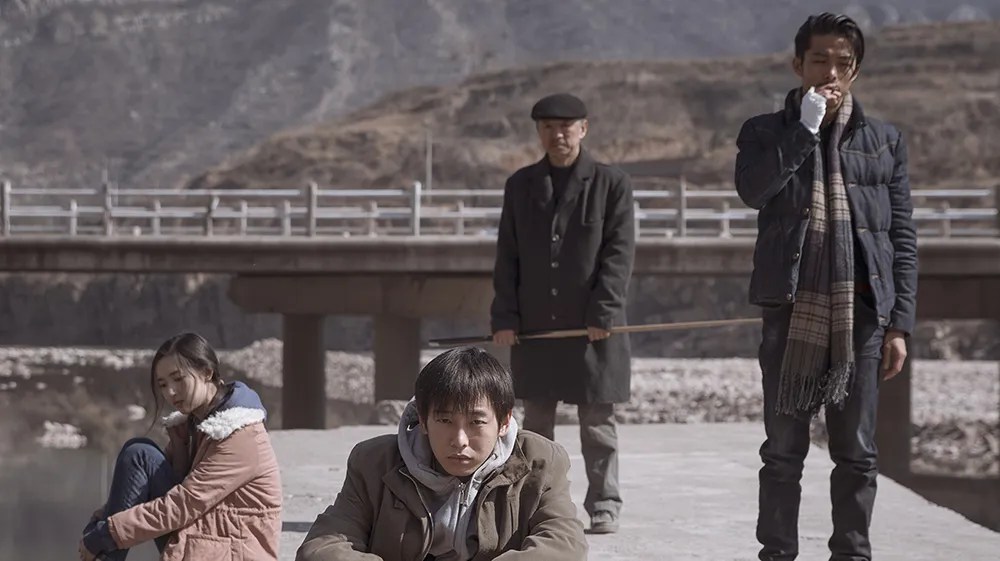
I have never, not once, successfully convinced anyone to watch An Elephant Sitting Still, and honestly, that makes sense.
With its nearly four-hour runtime and exceptionally bleak worldview, I understand anyone balking at the idea. To make matters worse, the film feels almost like a suicide note, director Hu Bo, a protégé of Béla Tarr, took his own life shortly after completing it. But let me make you a promise: it is absolutely worth your time.
The film uses its length to tell an intricate story about several disaffected people living on various fringes of Chinese society. They’re fractured and disconnected, connected only by a story they once heard.
The movie is a story of desperate people muddling through life with the smallest hope that there’s something more. And here’s the thing: there is something more. I don’t know what it is; the film doesn’t know what it is. But after experiencing An Elephant Sitting Still, it’s undeniable that the search is not in vain.
We lost Hu Bo too soon, but his work remains, for me, ultimately life-affirming and profoundly moving.
15. The Master
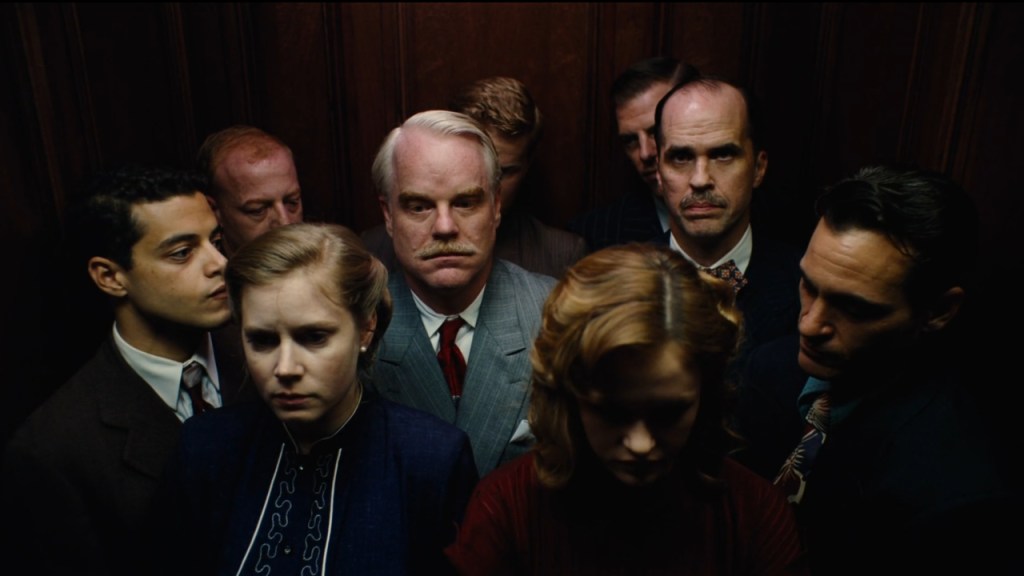
What more can be said about Paul Thomas Anderson’s exceptional portrait of power and belief? Centered on a religious movement that parallels the real-world rise of Scientology, the film follows Freddie Quell, a traumatized, alcoholic war veteran who falls under the influence of Lancaster Dodd (Philip Seymour Hoffman) as he builds his new religion.
The story branches in multiple directions but keeps returning to one core idea: power and how it is wielded. Featuring some of the most captivating performances ever put to screen alongside exceptional imagery, The Master is a singular film, one really only comparable to Anderson’s own other work.
14. The Zone of Interest
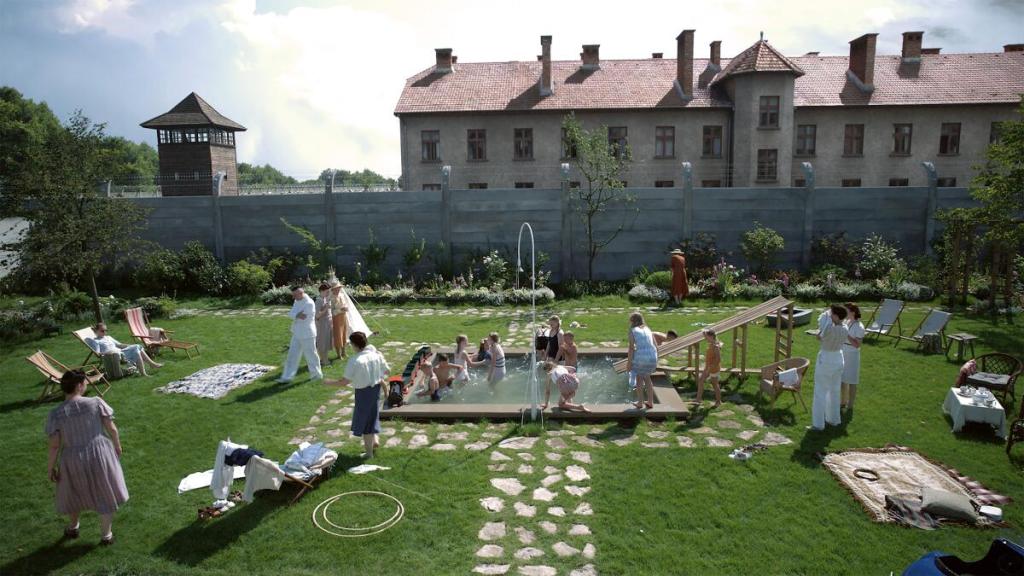
Exceptionally upsetting without ever directly showing anything shocking, The Zone of Interest is a kind of cinematic magic trick. It conveys the banality of evil at a time when we desperately need grounded depictions of it.
The film understands that horrific actions don’t happen overnight, they build slowly until we find ourselves fully submerged in boiling water.
Centered on a Nazi officer and his family adjusting to their new life, if you watched the film muted, you might mistake it for a mild family drama. But Glazer drenches the film in a relentless, horrific soundscape that grips the audience and says plainly: “Just because you can’t see it doesn’t mean it’s not happening.”
His Oscar acceptance speech only strengthens this film’s essential importance.
13. The Matrix Reloaded
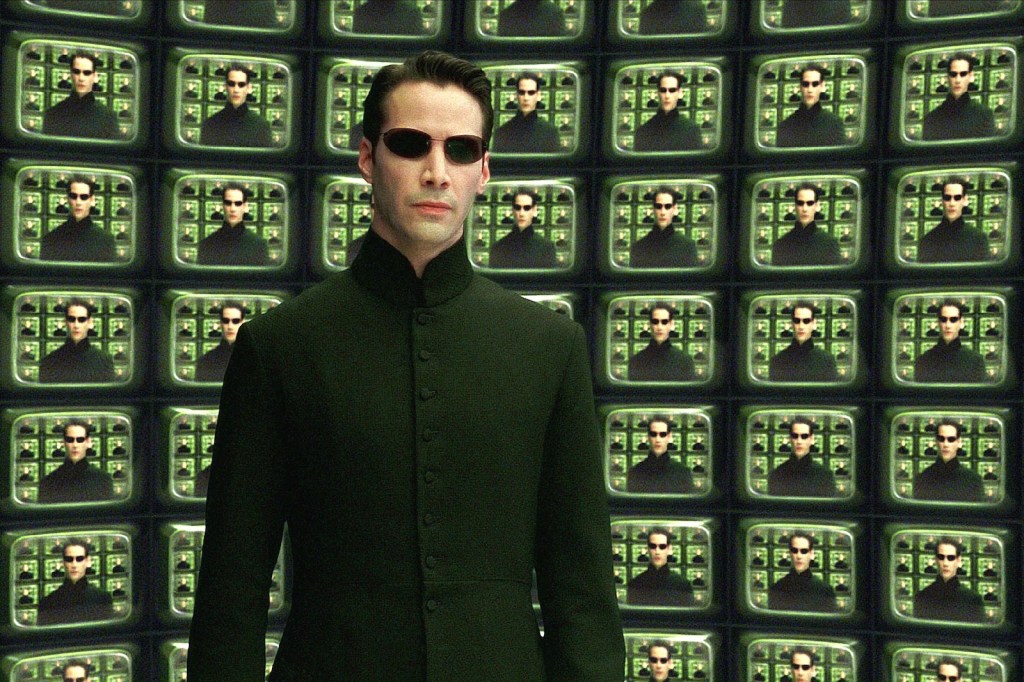
Unlike another trilogy I’ve bundled together further up this list, I single out The Matrix Reloaded as the best of the series.
It ups the ante from the first film with bombastic action sequences while undercutting the original’s “savior” narrative, challenging the idea that any part of that story is organic or necessary. In the first movie, Neo escapes from The Matrix. In the second, The Matrix escapes from itself.
Many reject the film for this, but for me, its willingness to confront the artificiality of human narrative is precisely why it’s successful. We tell ourselves stories, believe they matter, and see ourselves in them, but this film dares to say simply: our stories aren’t real.
12. It Follows
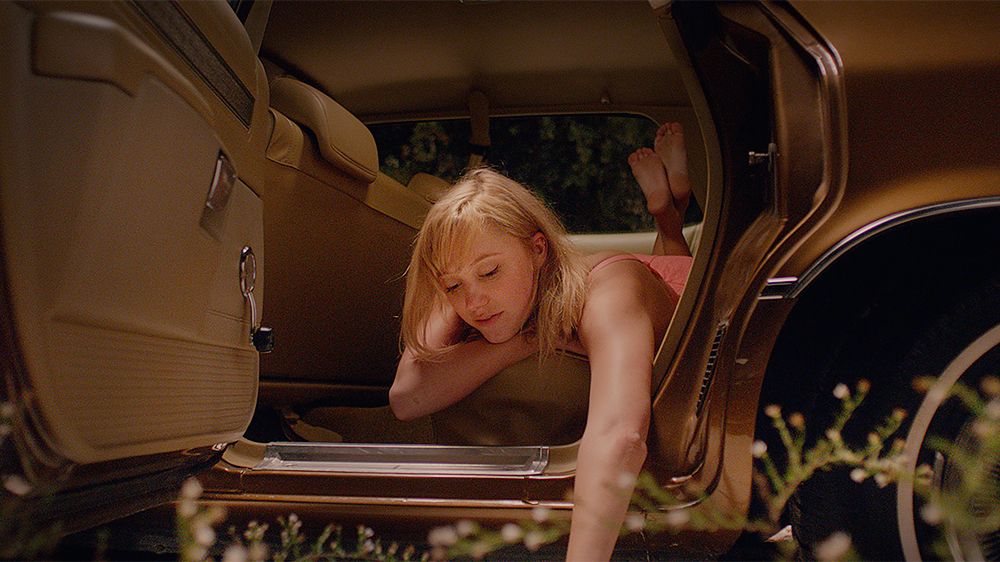
One of the scariest movies ever made. Not just for its masterful tension and unsettling imagery, but for the absolute, undeniable truth at its core: we will die. We know it. We can try to delay it, but we can’t escape it.
This is a truth we often refuse to confront directly. We distract ourselves, ignore it, or invent complex mental escapes. But no matter what, death is coming for each of us. This is the central fear of It Follows.
Often simplified as a surface-level metaphor for sexually transmitted disease, its true horror lies in life itself. As one character quotes, “I think that if one is faced by inevitable destruction—if a house is falling upon you, for instance—one must feel a great longing to sit down, close one’s eyes and wait, come what may…” That’s scary man.
11. Parasite
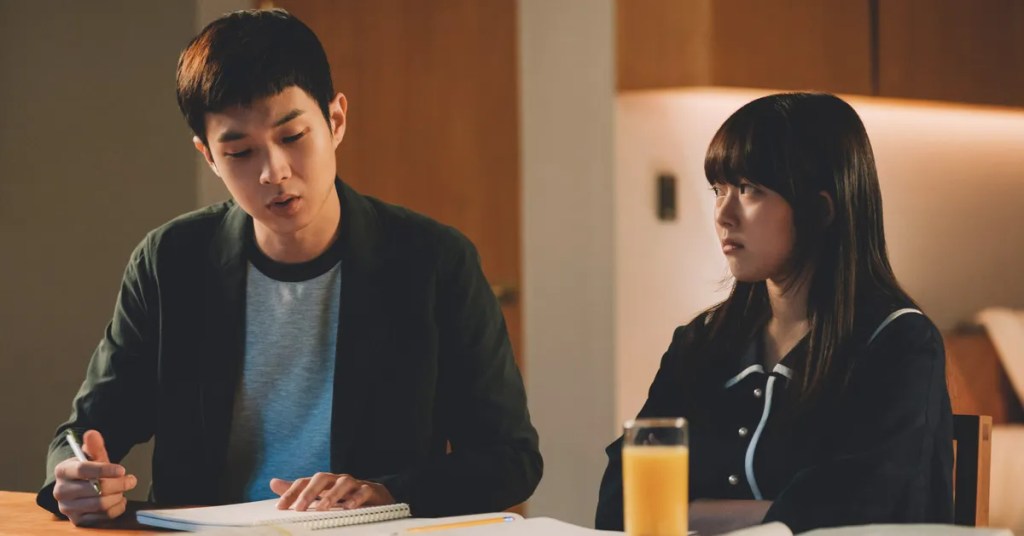
Perhaps the tightest and most wholly perfect film of the 21st century, Parasite is an absolute juggernaut for good reason.
Metaphorically, it’s multi-layered and profound, directly confronting the harsh realities of modern capitalism. As a narrative, it’s exceptionally compelling, twisting and turning while keeping the audience completely clueless about what will happen next.
It unfolds like running through a complex maze taking wild, blind turns only to realize at the end that every step was perfectly designed to lead to the conclusion.
10. All Light Everywhere
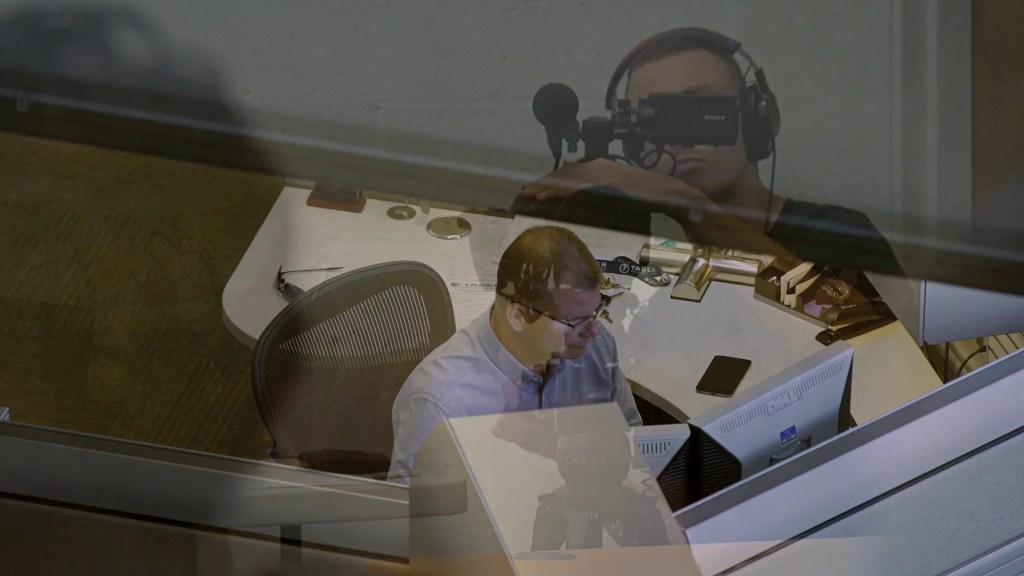
“The eye only sees in each thing that for which it looks, and it only looks for that of which it already has an idea.”
A movie about movies. A movie about perception. A movie about police brutality. A movie about many things. Like Theo Anthony’s other exceptional feature, Rat Film, All Light Everywhere begins with a simple idea and expands into a vast canvas, touching on so many themes that it becomes nearly impossible to describe.
What sets this film apart is its self-reflexive nature. It’s deeply concerned with the inherent dishonesty of the image and invites the viewer into this skepticism in a paradigm-shattering way. It so elegantly weaves exceptionally complex ideas together.
9. Cache
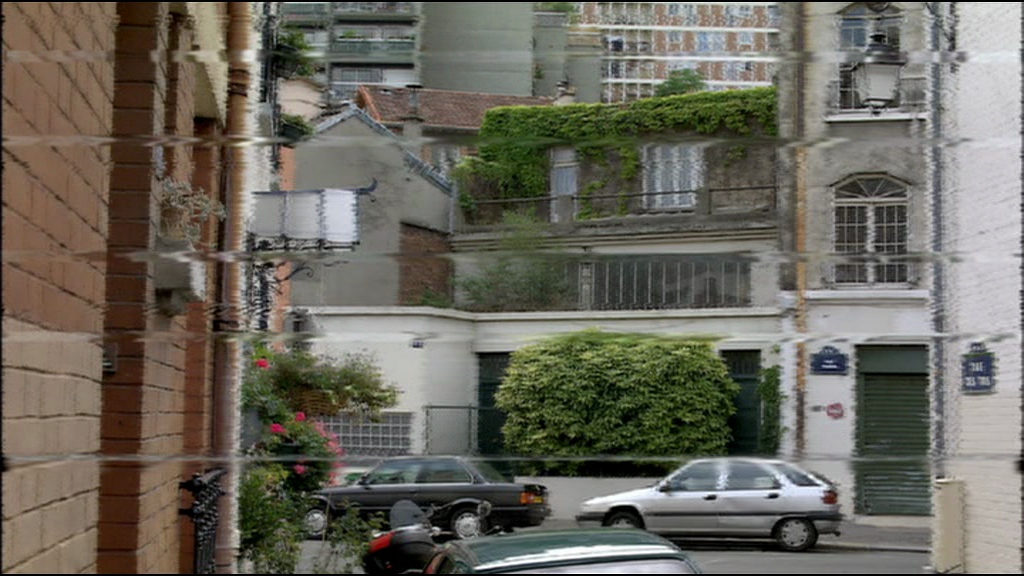
Michael Haneke’s film feels cold and enigmatic at first. A series of tapes appear at a man’s doorstep, showing footage of the front of his own house. Soon, these tapes are accompanied by ominous, mysterious notes. At first, the main character has no idea where they’re coming from, but as time passes and tension builds, he uncovers answers from his own past.
There’s a mystery to unravel, but the truth is we’ve known the ending all along. We cling to the mystery as a way to hope it’s not the thing we dread, the great sin at the heart of ourselves hiding our misdeeds.
The film’s story works as a metaphor for individual wrongs or the collective wrongs of a nation (likely intended as the latter, given its cultural context). It confronts the power of guilt and the urgency to face our own evils, making it essential viewing.
8. Portrait of a Lady on Fire

A film about love, how it affects us in the moment and how it shapes our entire lives. Life changes; it moves at the whim of circumstance, and we are all slaves to the onslaught of time. Yet our experiences stay with us, shaping who we become.
This is the case with Portrait of a Lady on Fire, Céline Sciamma’s burning portrait of desire and mutual comfort. It’s beautiful, romantic, and a masterpiece.
7. The Lord of the Rings
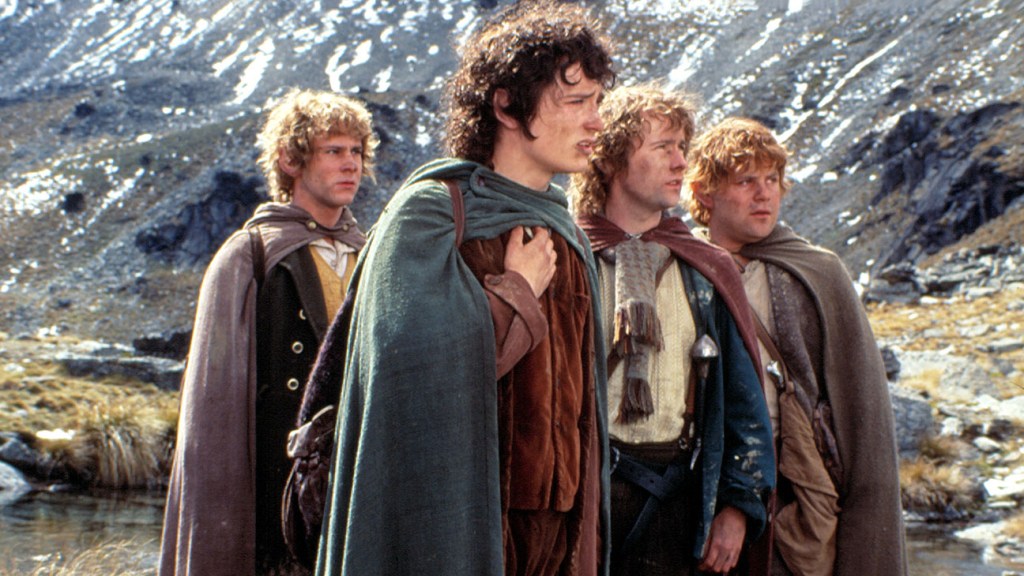
I’ve lumped all three Lord of the Rings films together for a few reasons: they were shot simultaneously, tell a single overarching story, and I simply can’t pick a favorite.
These movies sparked my love for cinema. It’s a masterclass in world-building. Peter Jackson does the impossible, taking a fantastical, epic tale and making it absolutely real. A triumphant achievement showcasing the possibilities of filmmaking.
6. Memories of Murder
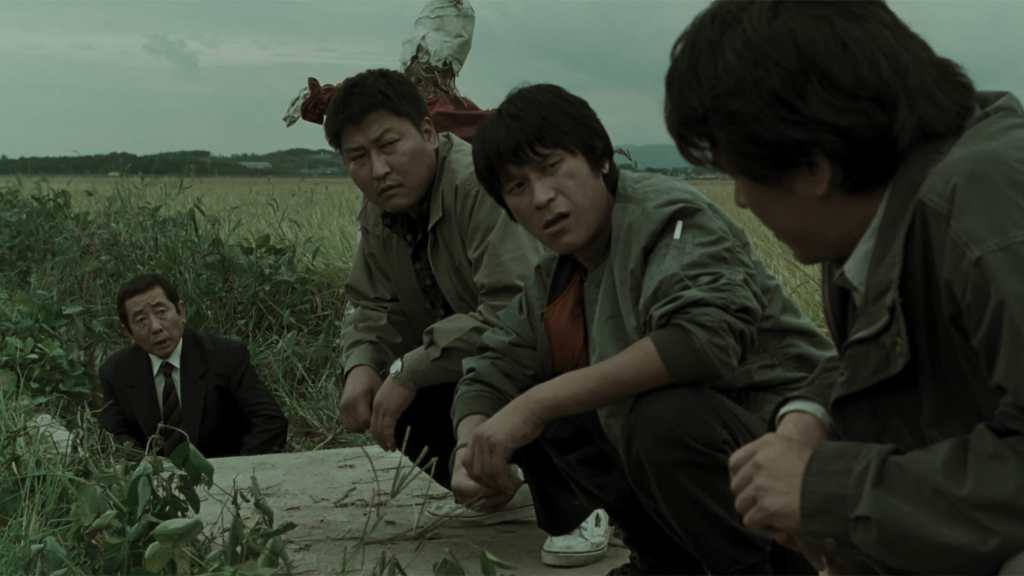
The second Bong Joon Ho film on this list, Memories of Murder ranks higher than Parasite for one simple reason: I don’t fully understand it.
It’s wildly complex, built within a cultural context I’ve only begun to grasp, yet its universal themes are clear from the start. It’s eerie and unsettling, similar to another procedural that appears later on this list.
Featuring one of the most frightening sequences I’ve ever seen, the film offers no clear answers. Narrative is a lie. Life doesn’t have clear answers, and neither does this movie. Learning to live with that mystery is essential. We either accept it or let it drive us mad.
5. Weekend
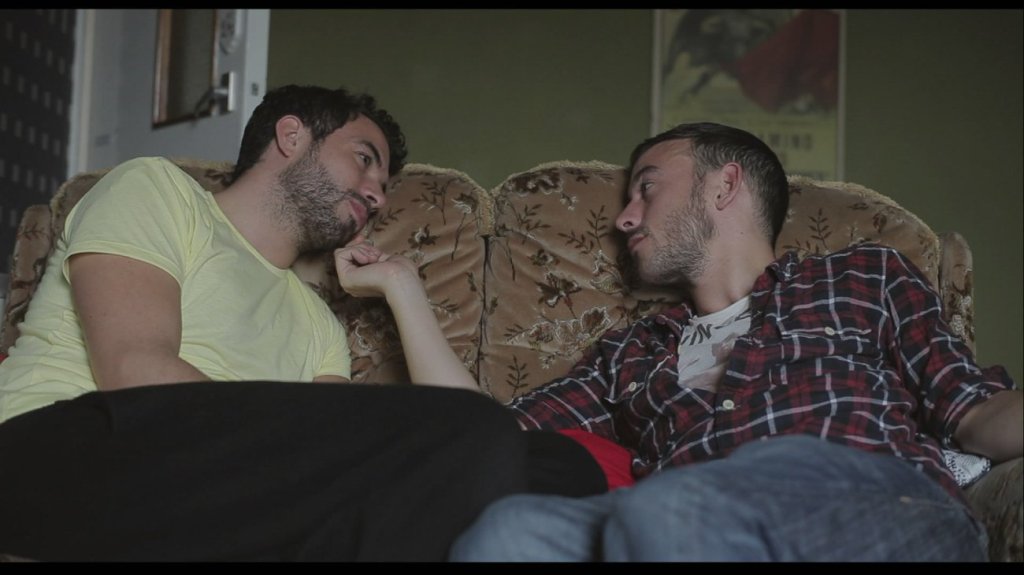
The universe is infinitely vast, expanding in ways that are fundamentally incomprehensible, but perhaps even more confoundingly, it expands just as infinitely in the opposite direction.
Everything is made of elements so small and intricate they feel equally expansive and impossible. That’s how I feel watching Andrew Haigh’s Weekend, a film that zooms in on and elevates the seemingly microscopic.
It focuses on a very finite amount of time (a single weekend), two main characters, and a simple idea: two people falling in love, knowing they can’t stay together after this brief encounter.
In expanding this small story, Haigh reveals a world so boundlessly complex it feels as vast as a galaxy. Over the course of the film, you fall in love, truly and absolutely, even while knowing the story must end.
4. The Assistant
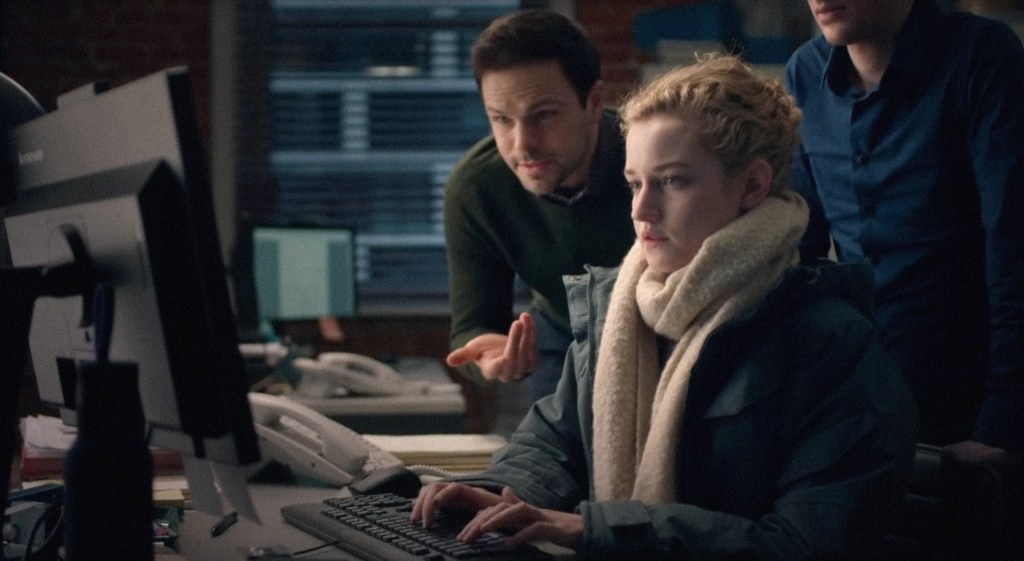
Like It Follows, Kitty Green’s The Assistant is often unfairly reduced to surface-level metaphor and the immediate cultural moment it captures.
It tells the story of an assistant to a Weinstein-esque film producer who struggles within a hostile, predatory work environment. She becomes a small cog in a machine bent on destroying her while exploiting the ambitions of many others.
While very much a movie of its time, and an excellent one, it also profoundly captures the disaffections of work under late-stage capitalism. Drawing on a lineage that includes Chantal Akerman, The Assistant offers a deep, nuanced portrait of how we live now, exploring complexities that words alone can’t express. It’s a masterwork of such depth that I will champion it forever.
3. In the Mood for Love
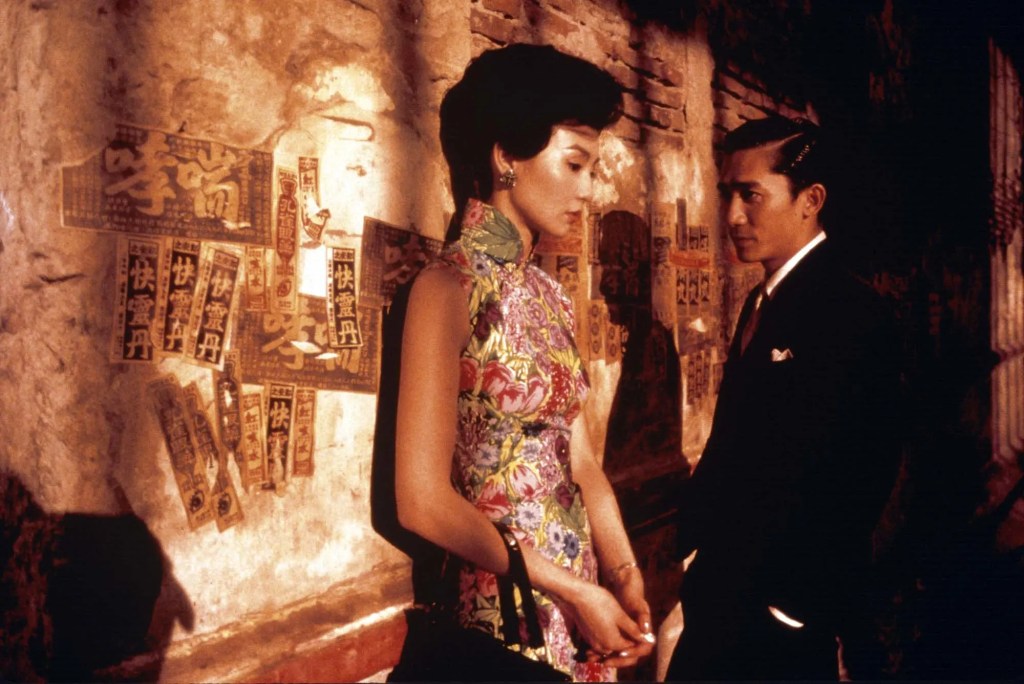
Perhaps the most beautiful film ever made, Wong Kar Wai’s In the Mood for Love absolutely oozes style. It carries a timeless, effortless cool.
The story unfolds in unconventional and unexpected ways, always with class and absolute confidence. It may lack the philosophical depth that draws me to other films on this list, but holy shit, it’s just so cool.
It’s a movie I wish I could live in, filled with images and sequences that will live forever in my mind.
2. Zodiac
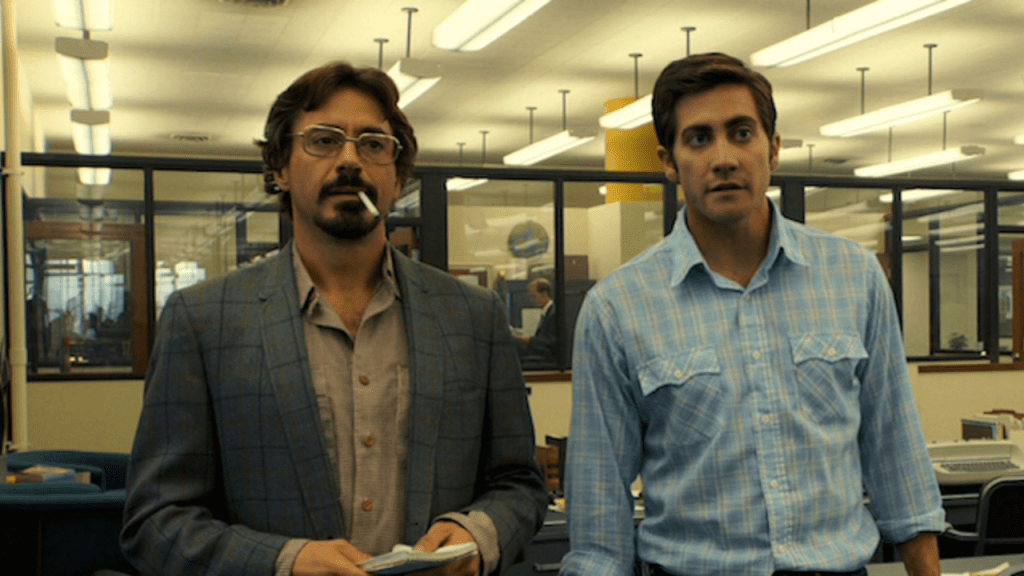
David Fincher’s meticulous recreation of the real-life Zodiac murders is as compelling, and as frustrating, as the actual events.
The film’s obsessive attention to detail pulls you fully into its world. It paints a haunting portrait of obsession: the relentless pursuit of a truth that, as the audience, you know will never fully come to light.
As the main character devotes himself entirely to this impossible quest, viewers must confront the harsh reality that this pursuit is ultimately foolhardy.
Zodiac offers an essential life lesson: learning to let go and accept that much will remain unknowable. Combined with a propulsive narrative and an eerie atmosphere, it stands as a masterful achievement.
1, The Act of Killing

There has never been a film like The Act of Killing, and there likely never will be another (even though The Look of Silence is an excellent follow up it’s still very different). Joshua Oppenheimer’s documentary is the most daring work of filmmaking I have ever seen.
He gains direct, intimate access to individuals responsible for some of the most horrific actions in human history, not to simply expose or document them, but to lead them on a radical journey of self-confrontation.
By creating elaborate scenarios that force these undeniably despicable men to face their own deeds, Oppenheimer offers an unparalleled experience. For some, this journey sparks a dawning awareness of the true horror of their actions.
The film’s final scene stands as the single most memorable and impactful moment in my journey with cinema.
 Willy Evans
Leave a comment